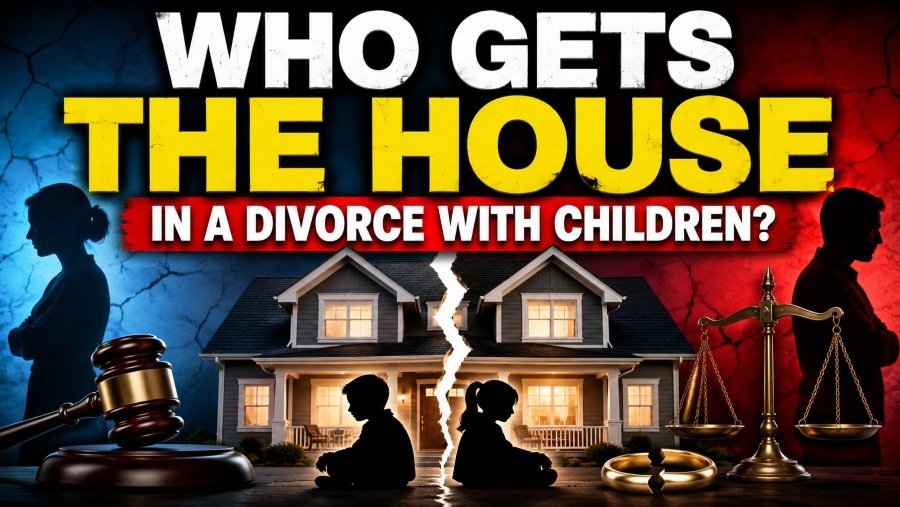

What percentage of marriages end in divorce is one of the most common questions people ask when they want a realistic view of marriage today. The familiar answer is usually “half,” but that number is too simple, partly outdated, and often based on confusing divorce statistics.
A better answer is that about 40% to 43% of first marriages may eventually end in divorce, while second and third marriages usually carry a higher risk. This guide explains what the numbers really mean, why divorce rates have changed, and how you should read the data without falling for fear-based headlines.
What Percentage Of Marriages End In Divorce In The U.S.?
The most realistic answer is that roughly 40% to 43% of first marriages in the U.S. may end in divorce, although the exact figure changes depending on the study, year, and method used. This is why the old claim that 50% of marriages end in divorce can be misleading, especially when it treats every marriage as if it has the same risk. First marriages, remarriages, younger marriages, older marriages, and long-term marriages all behave differently in the data.
You should also separate legal divorce numbers from personal divorce risk. When separation involves children, property, money, or parenting arrangements, a service such as family lawyer Cardiff shows how family-law support can organize complex issues before people make life-changing decisions. U.S. readers still need local legal guidance, but the broader lesson is the same: divorce is not only a statistic; it is also a legal, financial, and emotional process.
Why The 50% Divorce Claim Is Misleading
The 50% claim often comes from comparing annual marriage numbers with annual divorce numbers, but that comparison does not track the same couples. For example, the people getting divorced in 2024 are usually not the same people who got married in 2024. When you divide one annual rate by another, you create a rough comparison, not a true lifetime divorce percentage.
A better approach is to follow marriage cohorts over time. That means looking at couples who married in the same period and studying how many divorced after 5, 10, 20, or 30 years. This gives you a clearer picture because divorce risk changes as a marriage ages.
The key point is simple: a divorce rate is not always the same thing as the percentage of marriages that fail. If an article does not explain the difference between crude divorce rates, lifetime divorce risk, and cohort-based estimates, you should read its headline with caution.
First Marriages Usually Have Lower Divorce Risk
First marriages generally have a lower divorce risk than second or third marriages. Many estimates place first-marriage divorce risk around 40% to 43%, which is still significant but not the same as saying every couple has a coin-flip chance of divorce. Age, education, income stability, conflict habits, family history, and expectations all influence the outcome.
The reason first marriages often perform better is not that they are easy. It is that many first marriages begin before the complications of blended families, previous divorce trauma, child-support obligations, or divided assets enter the picture. Financial planning also matters, and a practical tool such as Arizona spousal maintenance calculator can help readers understand how support calculations may become part of divorce planning in specific jurisdictions.
Still, no single number predicts your personal marriage. Statistics describe groups, while your choices, communication, and circumstances shape your individual risk.
Second And Third Marriages Have Higher Divorce Rates
Second marriages often have higher divorce rates than first marriages, and third marriages tend to be even more vulnerable. Commonly cited estimates suggest about 60% of second marriages and more than 70% of third marriages may end in divorce. Those figures are not destiny, but they show that remarriage brings extra challenges.
Remarried couples may deal with blended families, former spouses, child custody schedules, financial obligations, and emotional baggage from a previous breakup. Money can also become more complicated when older couples bring property, inheritance expectations, or estate concerns into a new marriage. A resource such as Massachusetts estate tax calculator reflects how financial planning tools can help people think more clearly about estate-related questions before family conflict grows.
This does not mean remarriage is a bad choice. It means remarriage needs more planning, honesty, patience, and realistic expectations than many couples anticipate.
Divorce Rates Have Declined Over Time
Divorce rates in the U.S. are lower today than they were during the peak divorce years of the late twentieth century. One reason is that people are marrying later, which often gives them more time to build emotional maturity, education, career stability, and financial independence. Another reason is that fewer people are marrying casually or very young compared with earlier generations.
This decline does not mean marriage has become effortless. It means the people who choose marriage today may be more selective, more prepared, or more cautious before committing. Couples may also cohabit longer before marriage, which changes who enters marriage in the first place.
You should view falling divorce rates with balance. Fewer divorces can mean stronger marriages, but they can also reflect fewer marriages overall. The real story is not that divorce disappeared; it is that marriage patterns changed.
When Are Marriages Most Likely To End?
Many divorces happen within the first several years of marriage, especially when couples discover that their expectations, values, money habits, or conflict styles do not match. The first five to ten years can be a high-risk period because couples are building routines while also handling careers, children, debt, housing, and family pressure. If problems are ignored early, resentment can harden quickly.
That said, divorce is not limited to young couples. Gray divorce, which refers to divorce among people over 50, has become more visible in recent years. These divorces may happen after children leave home, retirement approaches, or long-standing dissatisfaction becomes impossible to ignore.
The timing of divorce often depends on pressure points. Early marriages may break under adjustment stress, while later marriages may break when people reassess whether the relationship still supports their future.
Common Reasons Marriages End In Divorce
The most common reasons for divorce usually include lack of commitment, ongoing conflict, infidelity, financial stress, poor communication, abuse, and unrealistic expectations. In many marriages, there is not one single cause. Problems often build in layers until one partner feels the relationship cannot be repaired.
Lack of commitment is especially important because it affects how couples handle every other issue. If both partners still want to repair the marriage, counseling, financial planning, and better communication may help. If one partner has emotionally left the relationship, even small problems can feel impossible to solve.
Infidelity is another major cause, but it is often connected to deeper patterns such as loneliness, resentment, poor boundaries, or emotional disconnection. Money conflict also matters because it affects daily life, long-term security, and trust.
Age At Marriage Can Affect Divorce Risk
People who marry very young often face a higher divorce risk because they are still developing emotionally, financially, and personally. A couple who marries before fully understanding their values, career goals, and conflict style may later realize they grew in different directions. This is one reason later marriages can sometimes be more stable.
However, waiting longer does not automatically guarantee success. People can marry later and still struggle if they avoid difficult conversations about money, children, household roles, sex, faith, family boundaries, and long-term goals. Maturity helps, but it does not replace honest communication.
The best age to marry is not only about a number. It is about readiness, self-awareness, stability, and whether both partners understand what commitment requires after the wedding excitement fades.
Education, Money, And Stability Matter
Education and financial stability often influence divorce risk because they affect stress levels, choices, and long-term planning. Couples with steady income and fewer financial crises may have more room to solve problems before they become emergencies. Money does not create love, but constant money pressure can test patience, trust, and teamwork.
Financial conflict is not only about how much you earn. It is also about spending habits, debt, secrecy, budgeting, lifestyle expectations, and whether both partners feel respected in financial decisions. A high-income couple can still fight constantly if they have no shared plan.
Stability also includes emotional and social support. Couples with supportive families, healthy friendships, and access to counseling may have more tools for getting through difficult seasons.
Cohabitation And Divorce Statistics Need Context
Cohabitation before marriage is often discussed in divorce research, but the meaning is more complicated than simple headlines suggest. Some studies have linked cohabitation before engagement or marriage with higher divorce risk, while other research suggests the effect depends on age, intention, education, and whether the couple had a clear commitment. Living together is not automatically harmful, but unclear expectations can create problems.
If couples move in together because it is convenient, they may slide into marriage without carefully choosing it. That can lead to commitment gaps, especially if one partner sees cohabitation as a step toward marriage and the other sees it as temporary. The problem is not the shared address alone; it is the lack of shared direction.
Before marriage, couples should discuss why they are together, what marriage means to them, and what future they are building.
Children And Divorce Risk Are Complicated
Children can influence divorce decisions, but they do not make a troubled marriage automatically stable. Some couples stay together longer because they want to protect their children from disruption. Others divorce because conflict, tension, or abuse makes the home environment unhealthy.
The presence of children can also increase daily stress. Parenting decisions, sleep loss, childcare costs, discipline styles, and unequal household labor can expose weaknesses that were easier to ignore before children arrived. If one partner feels unsupported, resentment can grow quickly.
Still, many couples become stronger through parenting when they communicate well and share responsibilities fairly. The important point is that children change the marriage structure, and couples need practical systems for time, money, discipline, affection, and rest.
How To Read Divorce Statistics Wisely
You should read divorce statistics as guidance, not prophecy. A national divorce percentage tells you what happened across millions of relationships, but it cannot tell you exactly what will happen in yours. Your personal risk depends on the quality of your relationship, your choices, and the pressures around you.
Look for statistics that explain what they measure. Are they discussing annual divorce rates, first marriages, all marriages, remarriages, lifetime risk, or marriages from a specific decade? If those details are missing, the number may be less useful than it appears.
You should also avoid panic-based interpretations. A 40% divorce risk is serious, but it also means many marriages last. The goal is not to fear marriage; it is to enter it with clearer expectations.
What The Numbers Mean For You
The best way to use divorce data is to treat it as a mirror, not a warning label. If the most common divorce causes include conflict, lack of commitment, infidelity, financial pressure, and poor communication, then those are the areas worth addressing early. You do not need to wait until a relationship feels broken before improving it.
Healthy couples talk about uncomfortable issues before they become emergencies. They discuss money, family boundaries, intimacy, parenting, work stress, and long-term goals with honesty. They also repair conflict instead of collecting old injuries.
Divorce statistics can help you see where marriages often weaken. Your advantage is that you can use that knowledge before the damage becomes permanent.
Conclusion
what percentage of marriages end in divorce is best answered with context, not a slogan. The old 50% claim is too broad because it often mixes different measurements and does not reflect the stronger performance of many modern first marriages. A more realistic estimate is that about 40% to 43% of first marriages may eventually end in divorce, while second and third marriages usually face higher risk.
You should also remember that divorce rates change by age, marriage history, finances, education, family structure, and the way couples handle conflict. The numbers matter, but they should not scare you into believing marriage is doomed. They should help you understand where relationships often struggle, what conversations matter before commitment, and why preparation can make marriage stronger.