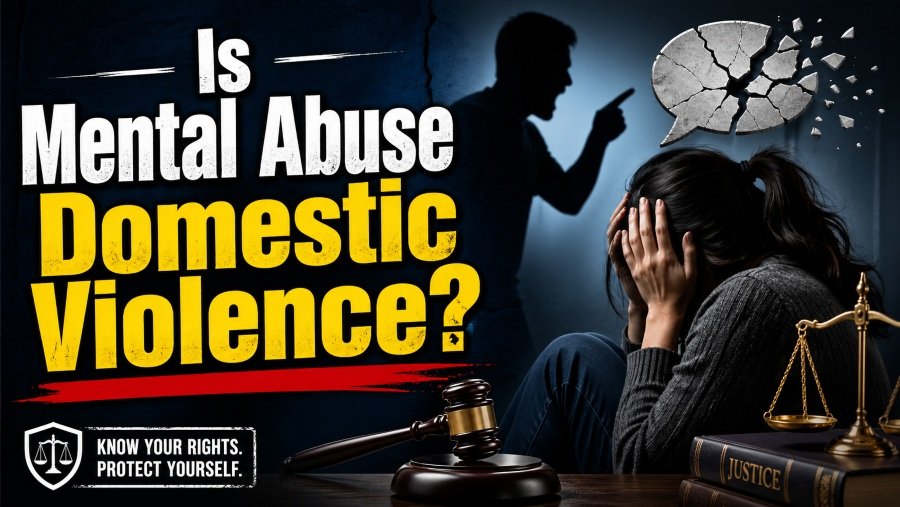
Is mental abuse domestic violence? Yes, mental abuse can be a form of domestic violence when someone uses fear, control, humiliation, isolation, threats, or manipulation to dominate you in a relationship or household.
It may not leave bruises, but it can damage your confidence, safety, mental health, choices, finances, friendships, work life, and sense of reality. If you are searching for this because something feels wrong at home, this guide will help you name the behavior, understand the warning signs, and consider safe next steps.
Is Mental Abuse Domestic Violence In Real Life?
Mental abuse becomes domestic violence when it is part of a pattern of power and control, not just one rude comment or one bad argument. In real life, this can look like someone constantly criticizing you, blaming you for their behavior, threatening you, monitoring your phone, controlling money, humiliating you in private, or making you feel afraid to speak freely. The harm often grows slowly, which is why many people do not recognize it immediately.
You may start changing your behavior to avoid conflict, hide your normal decisions, apologize for things you did not do, or feel nervous when your partner’s mood changes. People facing family breakdowns often need practical and emotional support, and family lawyer in Cardiff can help readers understand that family law support may involve divorce, children, finances, and separation when a relationship becomes unsafe or unworkable. Even when you are in the United States, seeing how family-focused legal services describe these issues can remind you that abuse is not only emotional; it can affect housing, children, money, and long-term stability.
Mental abuse is domestic violence because it can trap you without physical force. If someone controls what you wear, who you see, where you go, what you believe, or whether you can access money, they are not simply being “difficult.” They are using emotional pressure to take away your freedom.
Common Signs Of Mental Abuse At Home
Mental abuse often shows up through repeated words, moods, rules, and punishments that make you feel smaller over time. The abusive person may call you names, mock your intelligence, insult your appearance, compare you with others, or say nobody else would want you. They may also twist conversations so that every problem becomes your fault, even when their actions caused the harm.
Another sign is emotional unpredictability. One day they may act loving, apologetic, or charming, and the next day they may punish you with silence, anger, sarcasm, threats, or cold rejection. This cycle can make you work harder for approval, because the kind version of them keeps you hoping the relationship will return to normal.
You may also notice that your world becomes smaller. They may complain when you see family, accuse your friends of interfering, make you feel guilty for working, or demand constant updates about your location. Over time, isolation makes it harder to get perspective, ask for help, or trust your own judgment.
How Gaslighting Makes You Doubt Yourself
Gaslighting is a form of mental abuse where someone makes you question your memory, judgment, or perception of reality. They may deny saying things you clearly remember, accuse you of being too sensitive, insist you are imagining problems, or rewrite events so convincingly that you begin to doubt yourself. This kind of abuse is especially confusing because the target often spends more time proving what happened than noticing the control behind it.
Gaslighting can sound calm, logical, or even caring on the surface. Financial pressure can also make emotional abuse harder to leave, and a tool like the Arizona spousal maintenance calculator shows how support calculations may matter when separation, income, and post-relationship stability become part of a family situation. When money, housing, or legal concerns are mixed with emotional manipulation, you may feel stuck even when you know the relationship is hurting you.
The strongest warning sign is not whether you can win an argument. It is whether you feel constantly confused, guilty, nervous, or responsible for managing another person’s reactions. Healthy love does not require you to abandon your own reality to keep peace.
Why Mental Abuse Can Be As Serious As Physical Abuse
Mental abuse can be serious because it changes how you see yourself and what you believe you deserve. When someone repeatedly humiliates, threatens, controls, or isolates you, your nervous system may stay in a state of fear even when no physical attack is happening. You may develop anxiety, depression, sleep problems, panic, low self-esteem, shame, or a deep sense of helplessness.
Physical abuse is dangerous and must never be minimized, but emotional control can also create long-term harm. Separation often involves practical decisions about property, savings, debt, and future planning, and the Massachusetts estate tax calculator is an example of how financial tools can help people think more clearly about assets and obligations when family circumstances change. In abusive relationships, financial clarity matters because confusion around money can become another way a person feels trapped.
Mental abuse can also prepare the ground for physical harm. If someone has already trained you to obey through fear, threats, surveillance, or humiliation, they may not need to hit you to control your life. That is why emotional and psychological abuse should be taken seriously before it escalates.
Mental Abuse, Coercive Control, And Fear
Coercive control means a person uses repeated behavior to dominate your daily life and reduce your independence. This can include tracking your movements, checking your phone, controlling money, restricting transportation, threatening your pets, using children as leverage, or punishing you for small acts of independence. It is not about one disagreement; it is about a pattern that makes you feel watched, managed, and unsafe.
Fear does not always look dramatic. You may not be visibly shaking, but you may avoid certain topics, hide harmless purchases, delete messages, rush home to prevent anger, or rehearse conversations before speaking. These survival habits show that your body understands the danger even when your mind is still trying to explain it away.
Coercive control often works because outsiders may see only the abuser’s charming public side. In private, the same person may use criticism, jealousy, intimidation, or emotional punishment to control you. If you feel like you are living by invisible rules, that is a serious warning sign.
Emotional Abuse In Marriage, Dating, And Family Relationships
Mental abuse can happen in marriage, dating relationships, co-parenting relationships, and family households. It can affect women, men, LGBTQ+ people, older adults, young adults, immigrants, people with disabilities, and people from every income level. The details may vary, but the core issue is the same: one person uses control to limit another person’s safety and independence.
In marriage, emotional abuse may be hidden behind ideas about commitment, privacy, religion, finances, parenting, or reputation. In dating, it may appear as jealousy, constant texting, demands for passwords, accusations of cheating, or pressure to cut off friends. In family relationships, it may involve adult children, parents, siblings, in-laws, or relatives who use guilt, threats, humiliation, or dependency to control someone.
You do not need to prove that your relationship looks like someone else’s story. If the behavior makes you afraid, isolated, degraded, monitored, or unable to make normal choices, it deserves attention. Abuse is defined by the pattern and impact, not by how well the abuser behaves in public.
The Mental Health Impact Of Domestic Mental Abuse
Mental abuse can quietly change your emotional baseline. You may feel tired all the time, lose interest in things you used to enjoy, become jumpy around conflict, or feel numb because your mind is trying to protect you. You may also notice headaches, stomach problems, changes in appetite, trouble sleeping, or difficulty concentrating.
Many survivors describe feeling as if they are “walking on eggshells.” That phrase matters because it captures the constant tension of living with someone whose reaction feels unpredictable or unsafe. When you are always scanning for danger, your body does not get enough time to relax, recover, or think clearly.
Mental abuse can also make you blame yourself for symptoms caused by the abuse. You may think you are weak, dramatic, unstable, or difficult, because the abusive person has repeated those ideas so often. A more accurate view is that your mind and body may be responding normally to ongoing stress, fear, and control.
When Mental Abuse Involves Children
Children can be affected by mental abuse even when the abusive words are not directed at them. They may hear threats, witness humiliation, sense fear, or learn that one person in the home controls everyone else through anger or intimidation. This can shape their sense of safety, relationships, conflict, and self-worth.
An abusive person may also use children as part of the control. They may threaten to take custody, turn the children against you, undermine your parenting, use visitation to harass you, or make you feel guilty for protecting yourself. This can make leaving or setting boundaries feel emotionally and legally complicated.
If children are involved, safety planning becomes especially important. You may need trusted support, documented incidents, school awareness, legal advice, or help from a domestic violence advocate. The goal is not to panic, but to make careful choices that protect both emotional and physical safety.
How To Tell The Difference Between Conflict And Abuse
Every relationship has conflict, but healthy conflict allows both people to speak, disagree, repair, and remain safe. Abuse is different because one person uses conflict to dominate, punish, silence, or control the other. The question is not simply whether arguments happen; the question is whether you are allowed to have equal dignity during and after them.
In normal conflict, both people can take responsibility. In mental abuse, the abusive person often refuses accountability, shifts blame, rewrites events, or punishes you for raising concerns. You may leave conversations feeling more confused, ashamed, and powerless than before.
A helpful test is to ask what happens when you say no. If saying no leads to threats, rage, guilt, surveillance, financial punishment, public embarrassment, or emotional withdrawal designed to break you down, the issue is control. Love can include disappointment, but it should not require fear.
What To Do If You Think You Are Being Mentally Abused
If you think you are being mentally abused, start by trusting the pattern you have noticed. You do not need perfect evidence before you tell someone safe, write down incidents, contact a domestic violence hotline, or speak with a counselor, advocate, attorney, or trusted friend. Your concern is enough reason to seek support.
Try to document what happens in a safe way. This may include dates, screenshots, messages, voicemails, photos of damaged belongings, notes about threats, or records of financial control, but only keep evidence where the abusive person cannot find it. If your phone, email, cloud storage, or social media may be monitored, use a safer device or ask an advocate for guidance.
Do not confront the abusive person with everything you have discovered if it could increase danger. Leaving or setting boundaries can be a high-risk period when control is being challenged. A safety plan can help you think through transportation, money, children, documents, medication, pets, emergency contacts, and a safe place to go.
Getting Help In The United States
If you are in immediate danger in the United States, call 911. If you are not in immediate danger but need support, a domestic violence hotline, local shelter, therapist, legal aid office, victim advocate, or healthcare provider may help you plan safely. You can ask about emotional abuse even if there has been no physical violence.
Support does not always mean leaving today. Sometimes support means naming what is happening, understanding your options, protecting your privacy, preparing documents, building a small safety fund, or deciding who can know your situation. A trained advocate can help you think clearly without pressuring you into a decision before you are ready.
If immigration, housing, custody, disability, financial dependency, or medical needs are involved, get specialized advice. These factors can make the situation more complicated, but they do not make the abuse less real. You deserve information that fits your life, not generic advice that ignores your risks.
Safety Planning Before You Leave Or Set Boundaries
Safety planning is not about overreacting; it is about reducing risk. If the abusive person has threatened you, monitored you, controlled your money, damaged property, harmed pets, or reacted badly when challenged, plan carefully before making visible changes. A private conversation with an advocate can help you decide what is safest.
Think about essentials you may need in an emergency. This can include identification, birth certificates, Social Security cards, immigration documents, medication, keys, bank cards, cash, a change of clothes, children’s items, protective orders, and important phone numbers. Store them somewhere safe only if doing so will not put you at greater risk.
Digital safety matters too. Change passwords from a safe device, turn off location sharing, review shared cloud accounts, check social media privacy, and be careful with smart home devices or shared phone plans. If the abusive person is tech-savvy, ask a professional advocate before making changes that could alert them.
Conclusion
Is mental abuse domestic violence? Yes, it can be domestic violence when emotional harm is used to control, frighten, isolate, or dominate you inside a relationship or household. You do not need bruises, police reports, or a dramatic incident before your experience matters, because repeated humiliation, gaslighting, threats, monitoring, and financial control can seriously damage your safety and mental health.
If this article sounds familiar, start with one safe step: tell someone trustworthy, contact a domestic violence support service, document what you can safely document, and remember that abuse is not your fault.